 01
01A Ledger
This is what was true in 2026.
A record put down in ink, the policy negotiations, the verification programs, the family farm that grew from 1,600 to 60,000 acres farming regeneratively.
The shared story of Australia's regenerative agriculture movement, 2026–2027.
a Carbon8 project, put down in ink.
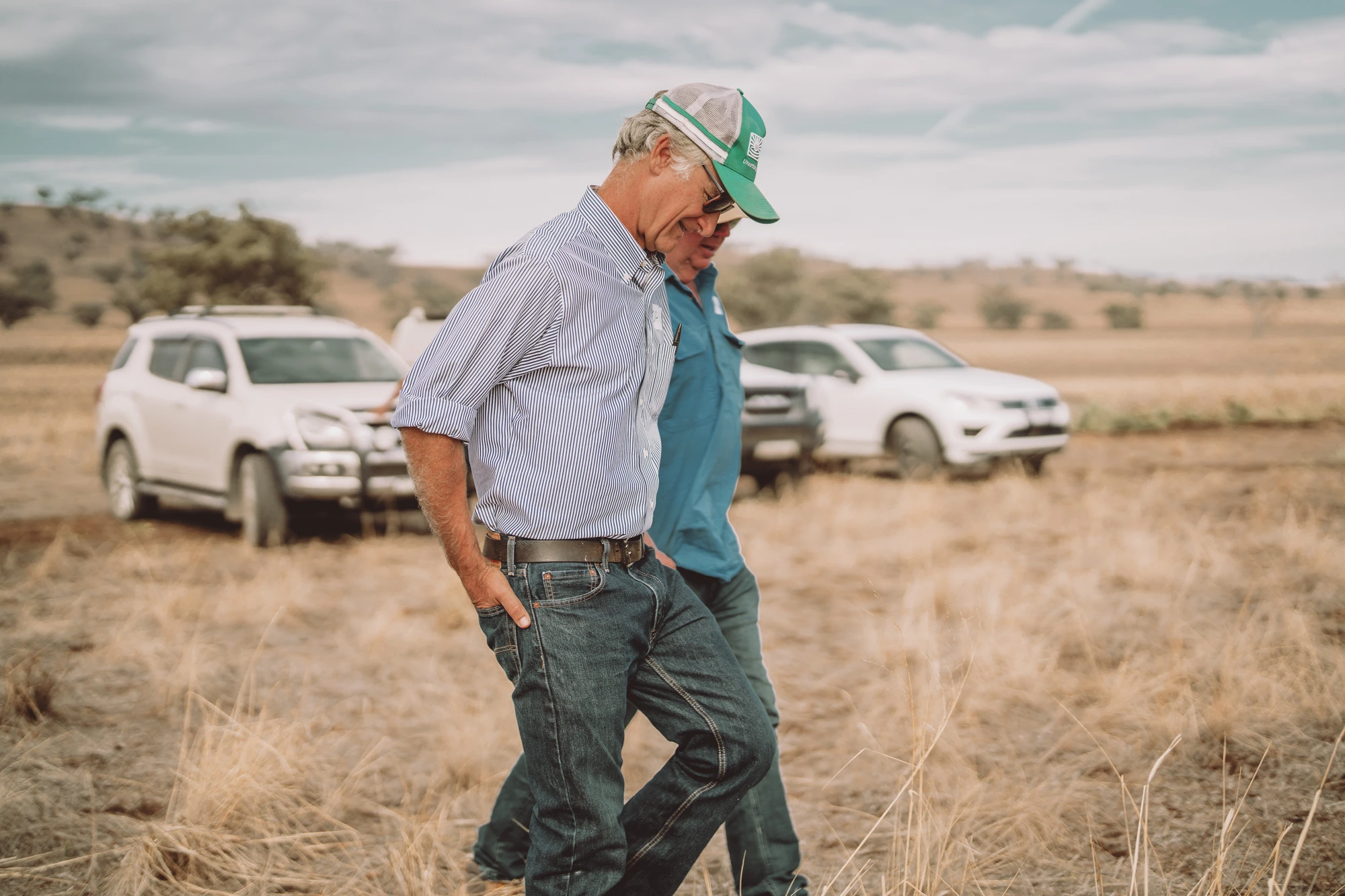
“Regeneration requires not only action on land, but coherence in narrative.”
The Almanac gathers the voices, profiles, experience and knowledge of farmers, scientists, First Nations land custodians, organisations and community organisers who are rebuilding how the country produces food and fibre and restores our soil.
This work is often carried out in isolation, without much sense of who else is doing it or how far it reaches. Farming is already one of the more mentally taxing professions, and the sense of doing hard, uncertain work alone can compound it.
The Almanac exists to close that gap, to give farmers a shared record of the movement they're part of, and to give communities a way into a conversation usually confined to paddocks and field days.
What we plant in narrative, we harvest in movement.
“The truth is hidden in Country. Country always tells us the truth back as to how we're going.”
Four things the Almanac is, at once, a book that records, reflects, convenes and honours the people rebuilding how Australia grows food and fibre and restores our soil.
01This is what was true in 2026.
A record put down in ink, the policy negotiations, the verification programs, the family farm that grew from 1,600 to 60,000 acres farming regeneratively.
 02
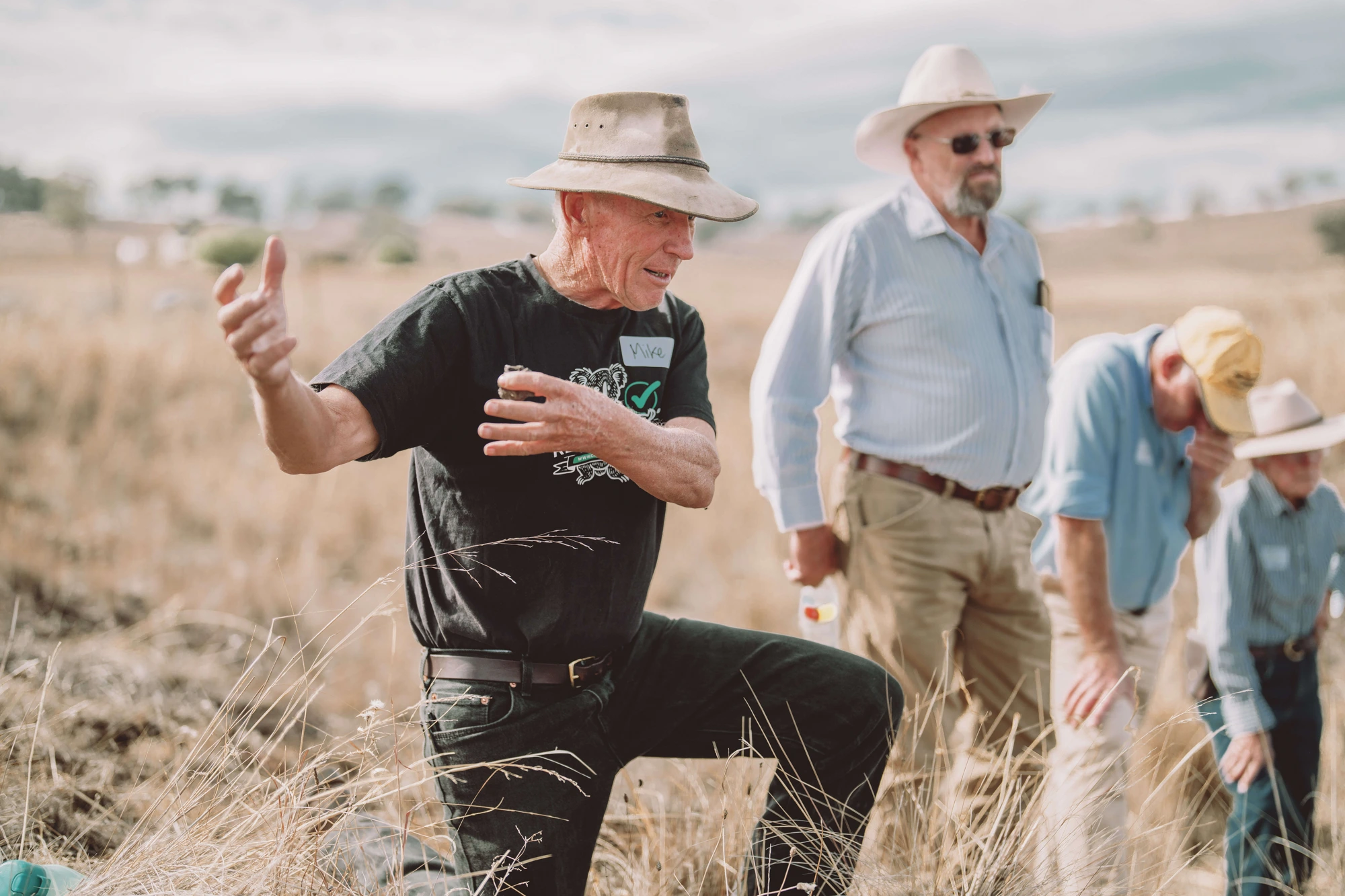
02The movement, reflected back.
For farmers doing hard, uncertain work alone: proof of how far the movement reaches, and who else is out there in it with you.
 03
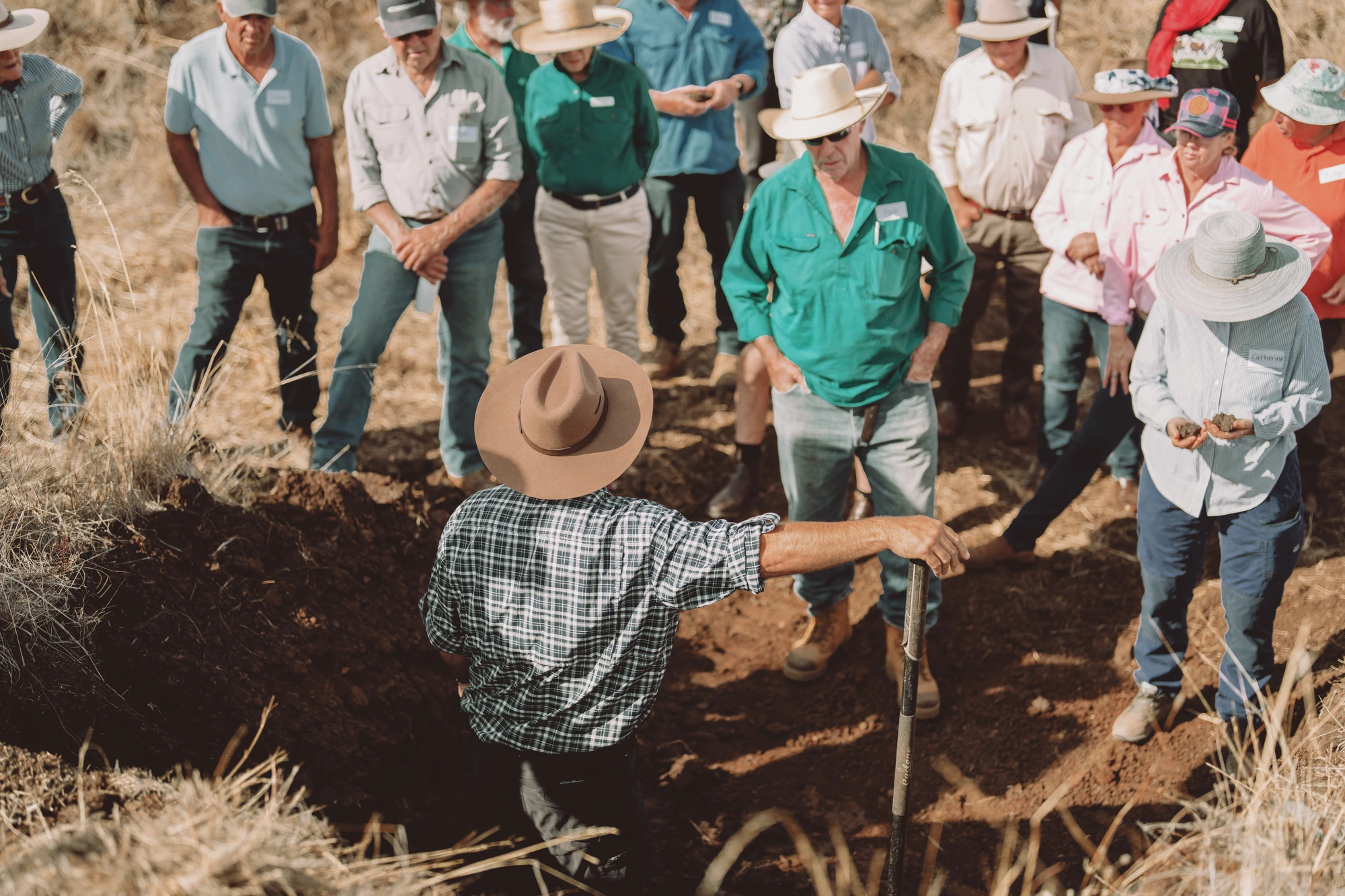
03A way into the conversation.
A doorway for communities into a conversation usually confined to paddocks and field days, original interviews and commissioned pieces from the people doing the work.
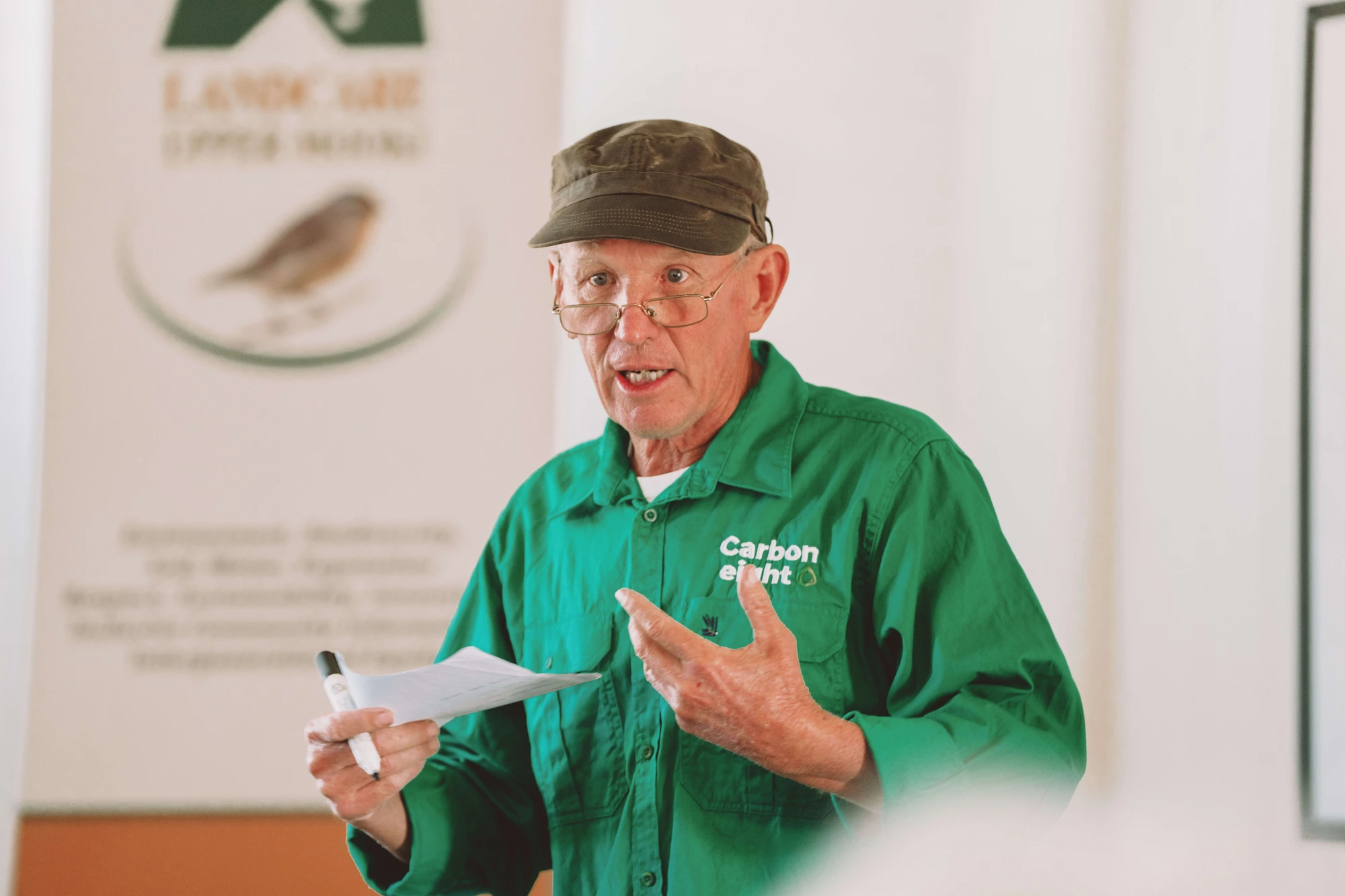 04
04Hope, in print.
Positivity and hope, gathered and celebrated, the culture, the craft and the character of regeneration across the country.
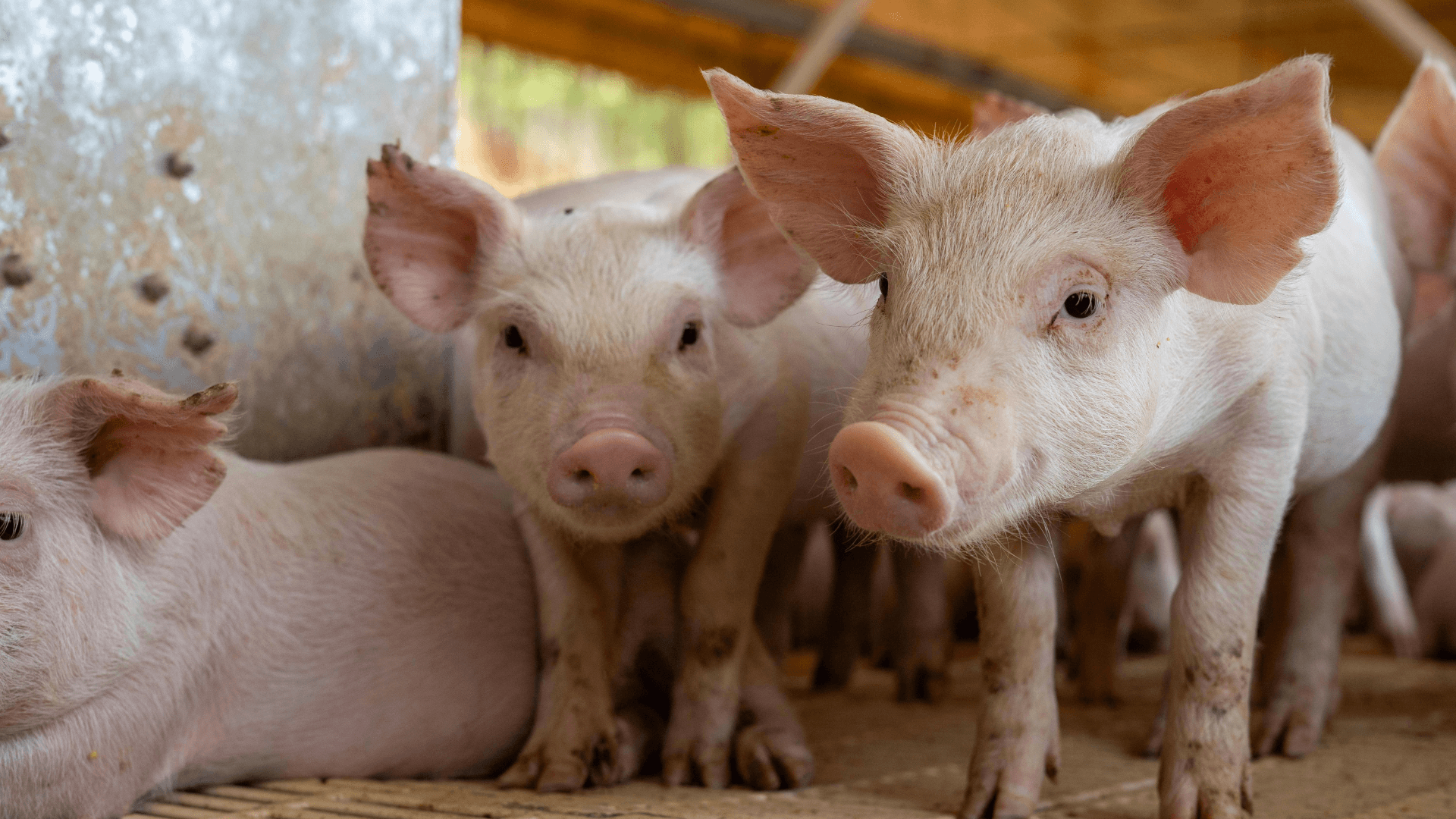
~200 pages, full colour, 100% compostable.
A full-colour, perfect-bound volume built from original interviews and commissioned pieces, and, like the movement it records, entirely compostable.
Kylie Woodham
Why voices from the land, now, framing the Almanac and its themes of hope.
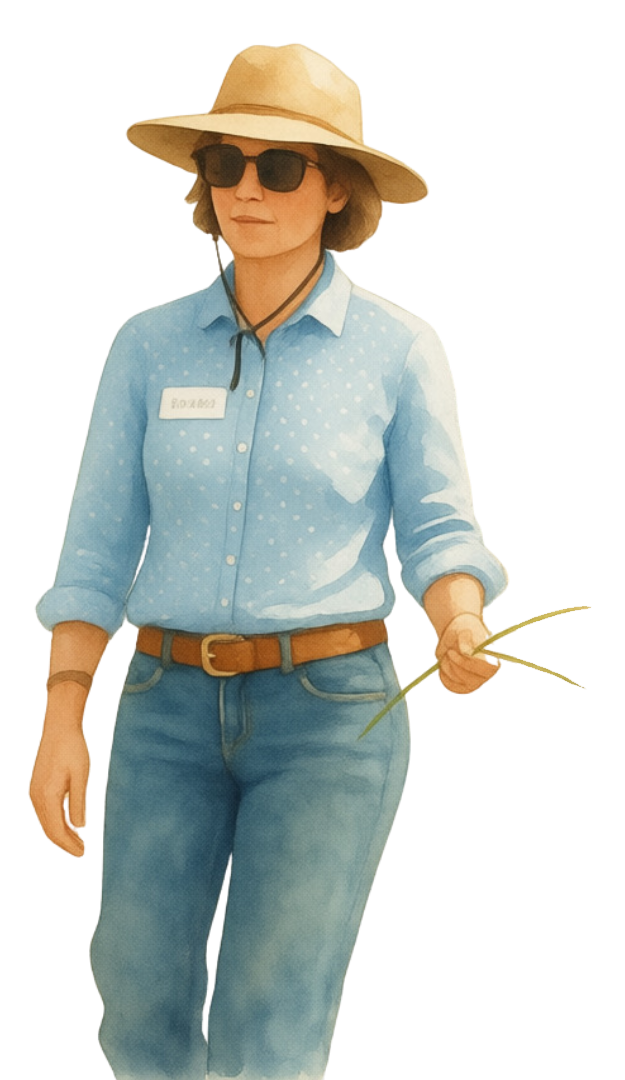
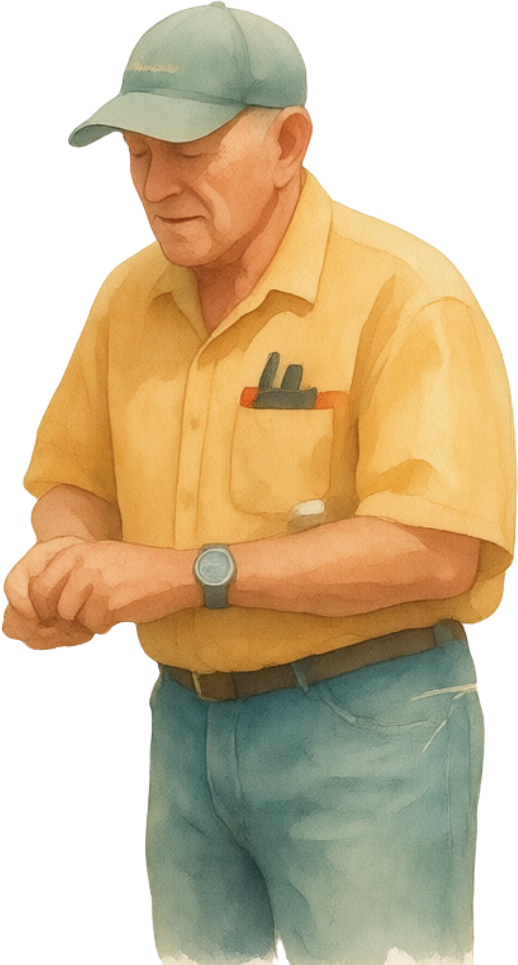
Mike, Helen & Kelly
The evolution and history of Carbon8 over the past twelve months.
Glossary
Plain-language definitions: set stocking, EOV, natural capital, biological brews, ground cover.
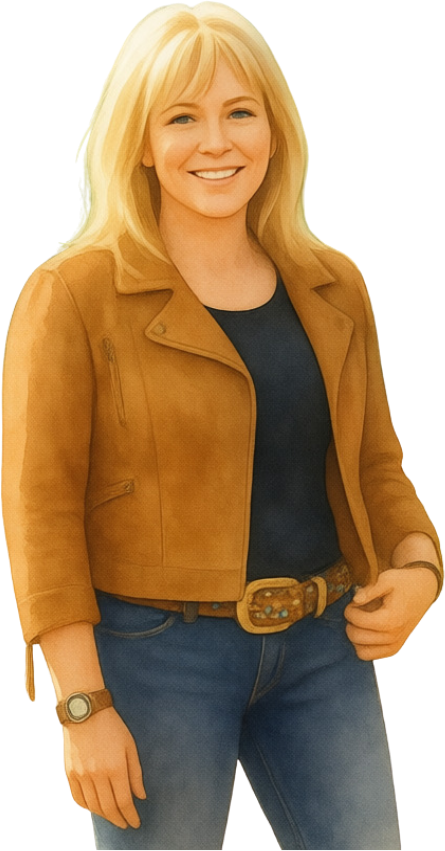
“That little micro-universe between the plant and the soil, it's just mind-blowing.”
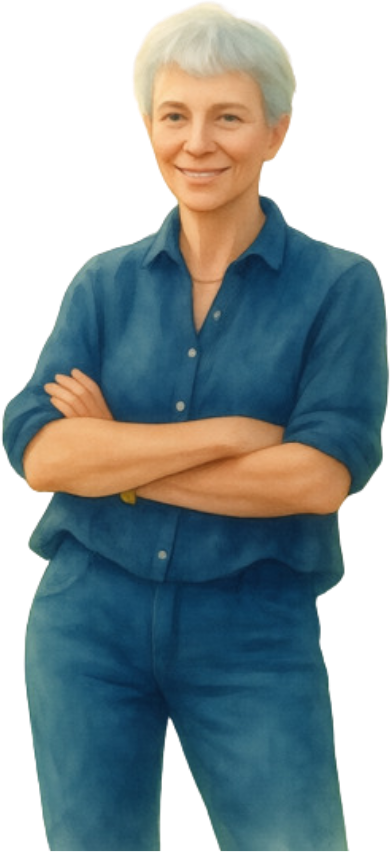
It's very easy to claim to be an environmentalist and to care about the land, but what are you actually doing about that?
2026–2027
For the first time, the hard data our community holds, soil health, economics, water, biodiversity and community impact, gathered into a single, coherent, properly sourced record.
Printed inside the Almanac and released as a standalone document, freely available to farmers, policy makers, funders, researchers and the public. No paywall, no proprietary claim over the industry's own evidence. One credible, citable reference point instead of data scattered across dozens of separate organisations.
Every data point traces back to a named organisation or dataset. Contributors are credited in full.
farmers & policy makers reached
pages of original interviews & commissioned work
advertising & sponsor pages available
per full page, a stake in the movement
goal to bring the first edition to print
compostable, the book returns to the soil
“Farming is a culture. Ask someone to change their farming system, and you're asking them to change their identity.”
The Almanac reaches the audience advertisers and investors want most and struggle hardest to find directly: working farmers already committed to transition, and a wider public asking where its food comes from. Twenty pages. One edition. This is what will be true in 2026.
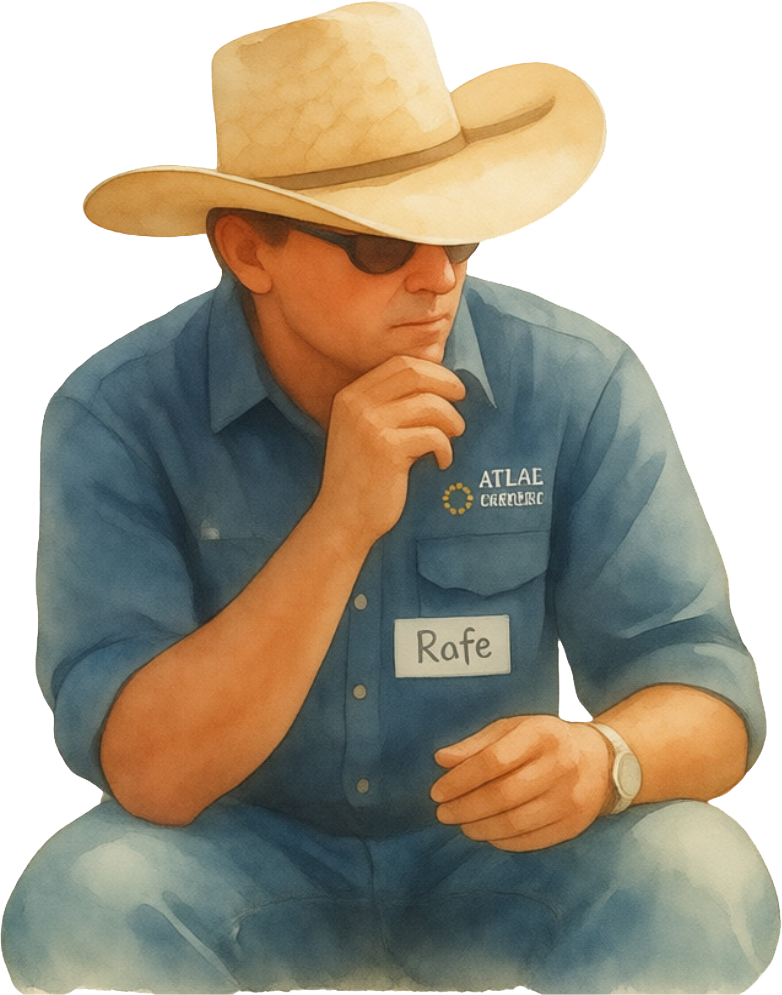
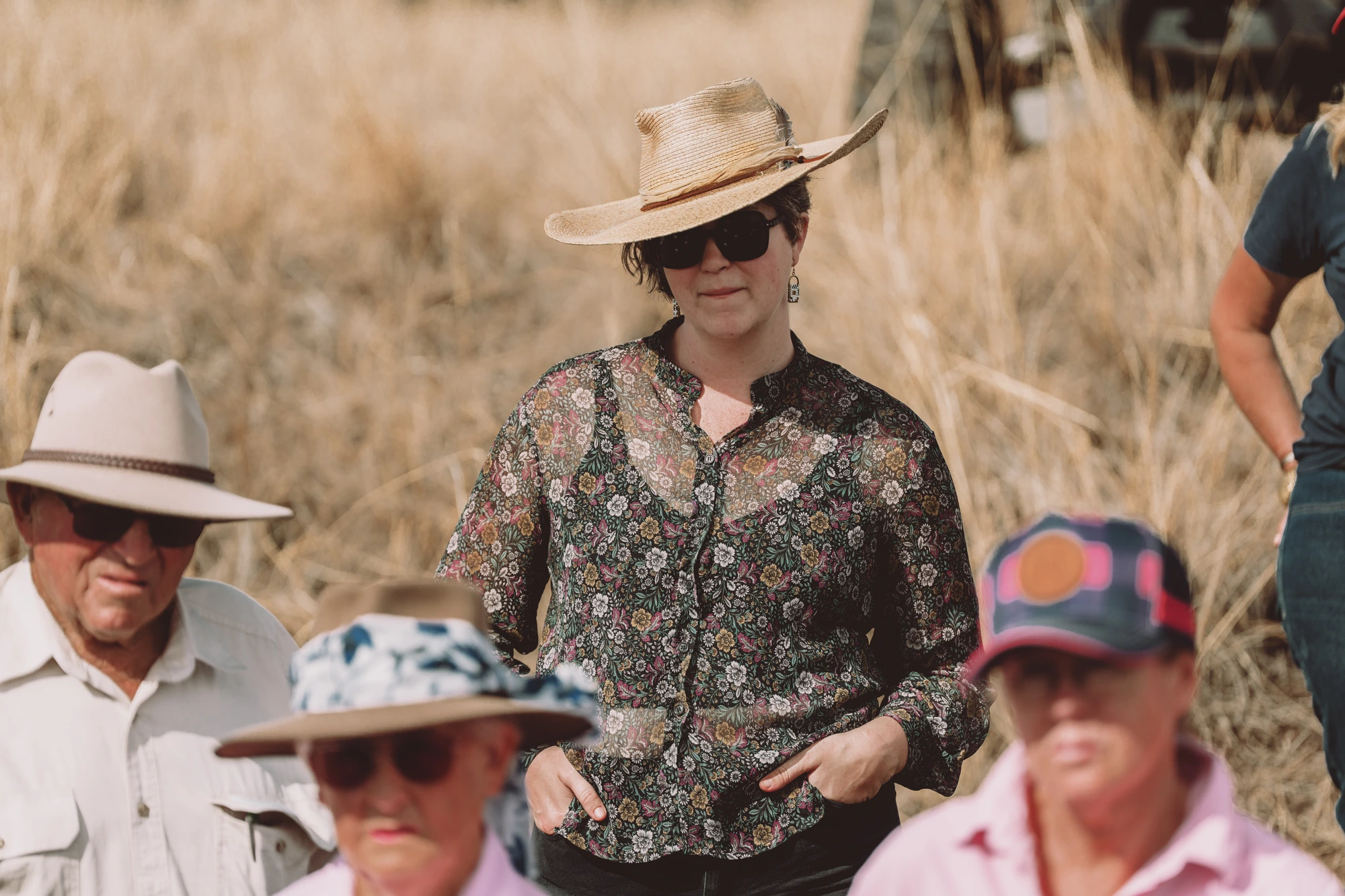
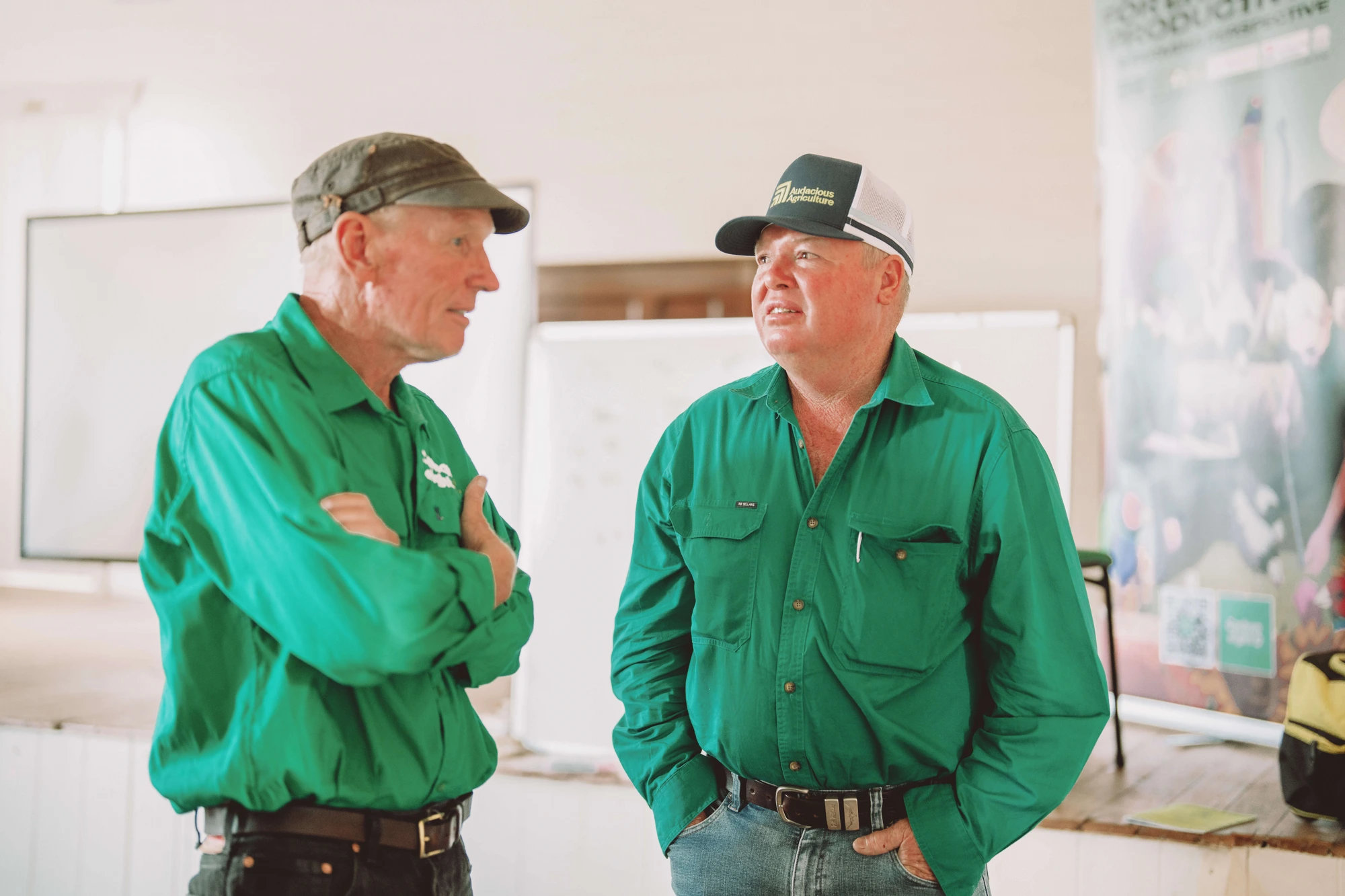
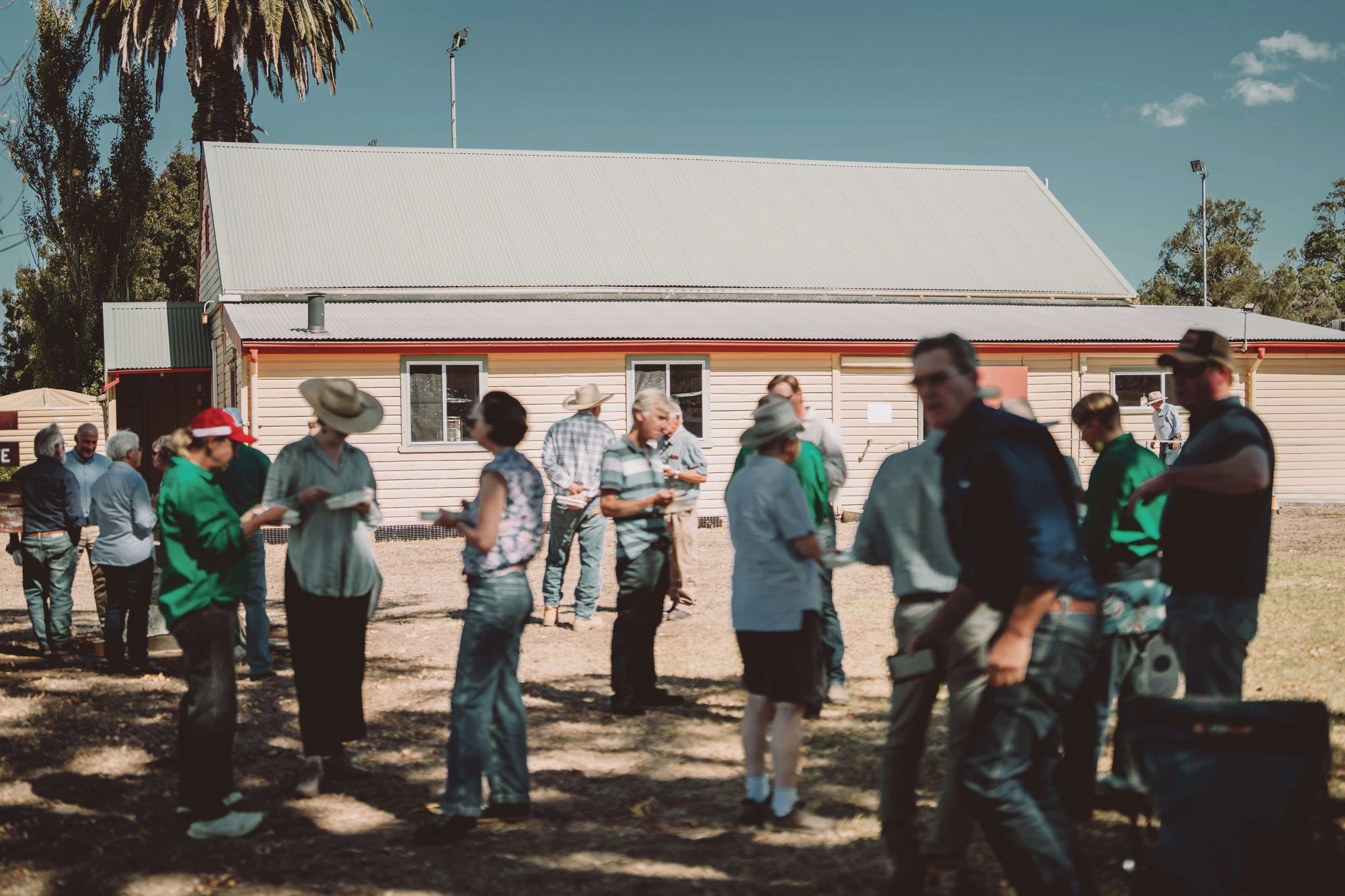
Real farmers, real challenges, real solutions - the problems they've faced, how they turned to regen ag, and the policy change they want to see. Field photography from the paddocks, the coffee mornings, the workshops. A scrapbook of a movement that's actually happening, not a stock-image version of it. Every edition adds to the record - it doesn't reset each year, it grows.
“You can't decouple land health from human health.”
"the truth is hidden in Country…"
field note · no. 04
No spam, just word when the Almanac goes to print, and how to get a copy in your hands.